Learning to Surf in Morocco: What to Expect in Your First Week
Never surfed before? Here is an honest look at what your first week of surfing in Morocco will feel like, from the first wipeout to your first green wave.
Learning to surf is humbling, exhausting and one of the most fun things you can do on holiday. Morocco is a great place to start because the waves are consistent, the water is mild, and there are sandy beaches made for learners. Here is what a typical first week looks like, and how to get the most out of it.
Before you arrive
- Can you swim? You should be comfortable swimming in the sea. You will always have a leash and a big foam board, but confidence in the water matters.
- Get a bit fitter: swimming, push-ups and some shoulder mobility work in the weeks before will make paddling much easier.
- Pack light: boards and wetsuits are provided by surf schools. Our packing list covers the rest.
Your first week, day by day
Day 1: beach theory and white water
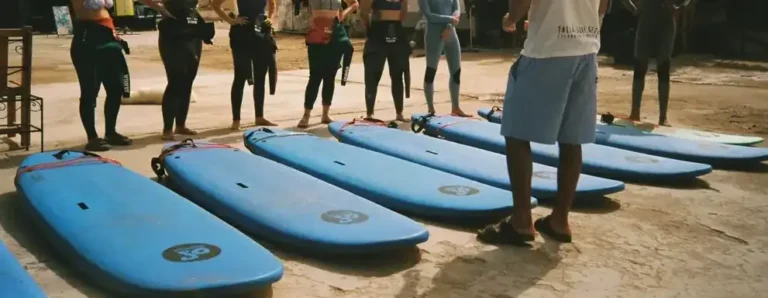
Your first lesson starts on the sand. Your coach explains how waves break, where the currents are, and how to lie on the board. You practise the “pop-up” (going from lying to standing) a few times on the beach, then head into waist-deep water to catch broken waves. Most people stand up at least once on day one.
Days 2 and 3: consistency
Now you work on standing up every time, looking where you want to go, and keeping your weight centred. Your arms and shoulders will ache. This is normal. Stretching, sleep and good food help.
Days 4 and 5: angling and paddling
Once you can stand reliably, you start turning slightly to ride along the wave instead of straight to the beach. You also learn to paddle further and to choose which wave to catch.
Days 6 and 7: your first green wave
With good conditions and a patient coach, many learners paddle out past the white water by the end of the week and catch their first unbroken (“green”) wave. It is a moment you will remember.
Surf etiquette in two minutes
- Priority: the surfer closest to where the wave is breaking has priority. Do not “drop in” on them.
- Hold your board: never let go of your board when a wave comes, unless you are sure nobody is behind you.
- Stay in your zone: beginners belong on the inside of beach breaks, not at the point breaks.
- Be friendly: a smile and a “salam” go a long way in the water.
Staying safe
Most beginner accidents come from the board, not the ocean. Fall flat and away from your board, protect your head when you come up, and do not surf directly in front of others. Your coach will also show you how to spot rip currents, the channels of water that flow out to sea. If you get caught in one, stay calm and paddle parallel to the beach.
How to choose a surf school or camp
- Small groups: look for a low number of students per coach.
- Qualified coaches: ask about lifeguard and coaching qualifications.
- Spot choice: a good school moves to the best spot for your level each day, instead of using the same beach whatever the conditions.
- Feedback: video analysis or photos help you see what you are doing.
What happens between sessions
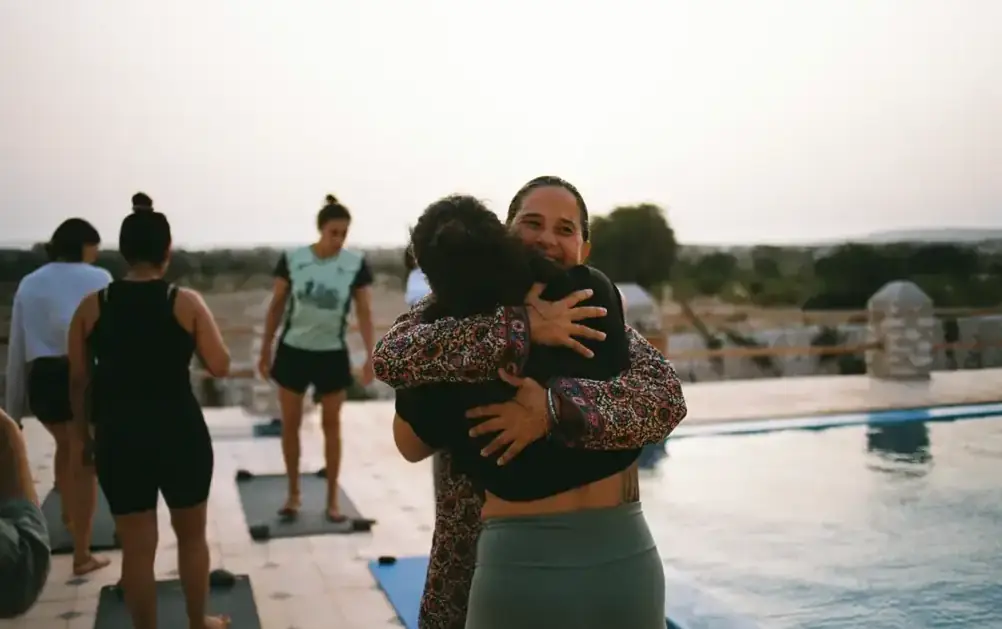
You will probably surf once or twice a day. The rest of the time is for eating, stretching, napping and exploring. A rooftop yoga session is great for sore shoulders, and trips to Paradise Valley or Essaouira are perfect for rest days.
Our Surf Taster Weekend is a short, gentle way to try surfing, and the All-Inclusive Surf Week gives you ten lessons to go from first pop-up to green waves. Not sure which is right? Take our 30-second quiz.
Frequently asked questions
Can I learn to surf in one week?
You can learn to stand up and ride white water in a week, and many people catch their first unbroken wave. Surfing well takes much longer, but a week is a great start.
Do I need to be fit to learn to surf?
You do not need to be an athlete, but you should be comfortable in the water and able to swim. Paddling is tiring at first, so a bit of swimming or upper-body exercise before your trip helps.
Is surfing in Morocco safe for beginners?
Yes, when you learn on the right beaches with a qualified coach. Beginner spots like Tamraght beach have sandy bottoms, and coaches keep you away from rip currents and rocks.
Ready for waves?
Surf Tamraght with a small, friendly camp
Pick a ready-made week or build your own trip with surf, day trips and meals, and see the full price before you send anything.