Moroccan Food Guide for Surfers: What to Eat and When
Surfing burns a lot of energy, and Moroccan food is made for refuelling. Here is what to eat, when to eat it and how to enjoy it like a local.
Read this guide inFrançaisDeutschEspañolSvenskaPolskiNorskDansk
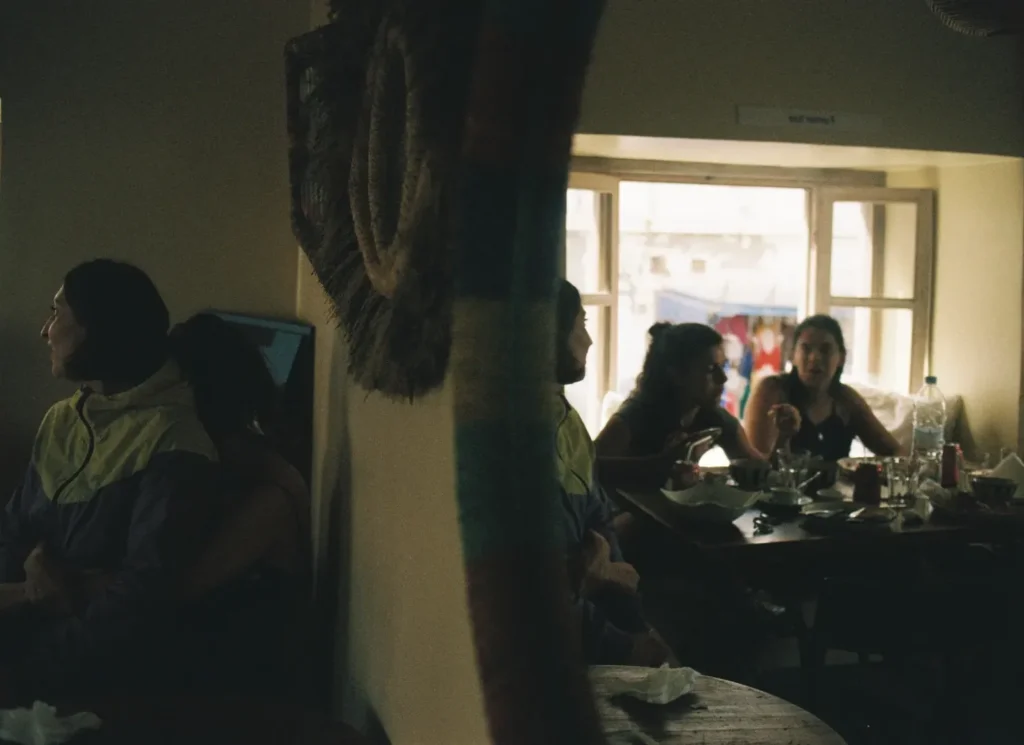
Ask anyone who has spent a week surfing in Morocco what they miss most when they get home, and a surprising number will not say the waves. They will say the food. This Moroccan food guide for surfers covers what you will eat on a surf trip to the coast around Tamraght and Taghazout, when to eat it so you surf well, and a few tips to help you eat like a local rather than a tourist.
Moroccan cooking is generous, slow and built around sharing. That suits surfers perfectly: you come out of the water hungry, and there is almost always something warm, filling and full of flavour waiting.
Breakfast: msemen, amlou and mint tea
A Moroccan breakfast is the best fuel you can ask for before a morning session. At Surf Chill Vibe, breakfast is served in the riad every day and usually includes:
- Msemen: square, flaky pan-fried flatbread, folded in layers. Eat it warm with honey, butter or cheese.
- Amlou: a thick spread of roasted almonds, argan oil and honey from the Souss region. Think of the best nut butter you have ever had, then add argan.
- Eggs: often cooked with a little cumin and salt, sometimes with tomato.
- Fresh fruit and bread, plus olives and olive oil for dipping.
- Mint tea: green tea brewed with fresh mint and usually plenty of sugar, poured from a height to create a little foam.
Amlou deserves a special mention. Argan trees grow across this part of southern Morocco, and you will see goats climbing them on the road to Paradise Valley. A spoonful of amlou on msemen is slow energy that keeps you paddling for two hours.
Eating before and after surfing
Timing matters more than most people think. Paddling on a full stomach is uncomfortable, and paddling on an empty one leaves you weak by the third wave. A simple rhythm works well:
| When | What to eat | Why |
|---|---|---|
| 1 to 2 hours before | Msemen with honey or amlou, eggs, fruit | Carbohydrates and a little fat for steady energy |
| Just before | A banana, a few dates or a handful of almonds | Quick sugar without feeling heavy |
| Straight after | Water, fruit, bread | Rehydrate and top up before the long drive back |
| Main meal | Tagine, couscous or grilled fish with salad | Protein and vegetables to recover for tomorrow |
Drink more water than you think you need. The sun and the salt dry you out, and mint tea, lovely as it is, does not count as hydration when it is that sweet.
Tagine and Friday couscous
Tagine: the slow-cooked classic
A tagine is both the dish and the conical clay pot it is cooked in. Meat, fish or vegetables simmer for a long time over a low heat with spices, and the lid traps the steam so everything stays tender. Common versions include:
- Chicken with preserved lemon and olives
- Beef or lamb with prunes, almonds and a touch of cinnamon
- Kefta (spiced meatballs) with tomato and a cracked egg on top
- Seasonal vegetables with potatoes, carrots and courgette
You eat tagine with bread rather than a fork, tearing off a piece and using it to scoop from the side of the dish nearest to you. If you want to learn how it is made, the VIP options include a tagine cooking class, and the Morocco Discovery Trip includes an Amazigh cooking class in Taghazout.
Couscous on Friday
Couscous is eaten all over Morocco, but Friday is its day. After the midday prayer, families gather around one big plate of steamed semolina topped with meat and a pile of vegetables, sometimes seven different kinds. Everyone eats from the same plate, from their own side. If you are invited to share couscous on a Friday, say yes. It is one of the warmest experiences you can have in the country.
Fresh fish and seafood
This is the Atlantic coast, so the fish is excellent. Sardines, sea bream, squid and prawns come in every day. In Agadir you can see the catch at the port, and in Essaouira you can pick fish from the stalls by the harbour and have it grilled on the spot. Grilled sardines with bread, tomato salad and a squeeze of lemon make one of the simplest and best lunches after a surf.
Harira and other soups
Harira is a thick tomato soup with lentils, chickpeas, herbs and sometimes a little meat, finished with lemon. It is the traditional dish for breaking the fast during Ramadan, usually with dates and a sweet pastry called chebakia, but you can find it all year. After a cold winter session in a 4/3, a bowl of harira is exactly what you want. Bissara, a creamy split pea or broad bean soup with olive oil and cumin, is another cheap and filling favourite.
Vegetarian and special diets
Morocco is easier for vegetarians than its reputation suggests. Vegetable tagines, lentils, bissara, salads, couscous with vegetables, eggs, bread, olives and fruit are all everyday food. The one thing to watch is stock: some dishes that look vegetarian are cooked with meat broth, so ask. At the riad, tell us about vegetarian, vegan or other dietary needs when you book and the kitchen will plan around them. Strict vegans should know that butter and honey appear in many breakfasts and pastries.
Street food and eating out: practical tips
- Choose busy places. A crowded stall means fresh food and a quick turnover.
- Eat with your right hand when sharing from a common plate.
- Ask the price first at stalls without a menu, especially in tourist areas.
- Drink bottled or filtered water and go gently on raw salads for the first couple of days.
- Try the snacks: fresh orange juice, grilled corn, roasted nuts, msemen from a street griddle, and pastries soaked in honey.
- Visit a souk. Souk El Had in Agadir is a huge market for spices, dates, olives and fruit, and it is part of our surf packages.
If you are still planning what to bring, our Morocco surf trip packing list covers the rest, and our Morocco travel tips for first-timers explain eating etiquette, tipping and Ramadan in more detail.
Eat well, surf well: Moroccan food at Surf Chill Vibe
At our family riad in Tamraght, food is a big part of the experience: Moroccan breakfasts on the rooftop or in the courtyard, lunches between sessions, and dinners you can add as you like. The 5-Day Surf Trip and 7-Day Surf & Explore Trip include breakfast and lunch every day, and if you would rather build your own week, the VIP trip lets you add meals and a cooking class. Come hungry.
Frequently asked questions
What should I eat before surfing in Morocco?
Something light and filling about an hour before you paddle out works best, such as msemen with a little honey or amlou, eggs, bread and fruit. Save the big tagine for after your session.
Is Moroccan food good for vegetarians?
Yes, with a little care. Vegetable tagines, lentils, bissara (split pea soup), salads and couscous with seven vegetables are common, though some dishes are cooked with meat stock, so it is worth asking.
Why is couscous eaten on Friday in Morocco?
Friday is the holy day of the week, and many families gather after the midday prayer to share a big plate of couscous. It is a tradition of hospitality and family time as much as a meal.
Is street food safe to eat in Morocco?
Generally yes if you choose busy stalls where food is cooked fresh and hot in front of you. Go easy for the first few days, avoid raw salads washed in tap water if your stomach is sensitive, and drink bottled or filtered water.
Ready for waves?
Stay in Tamraght: surf, explore or simply rest
Pick a ready-made week or build your own trip with surf, day trips and meals, and see the full price before you send anything.


